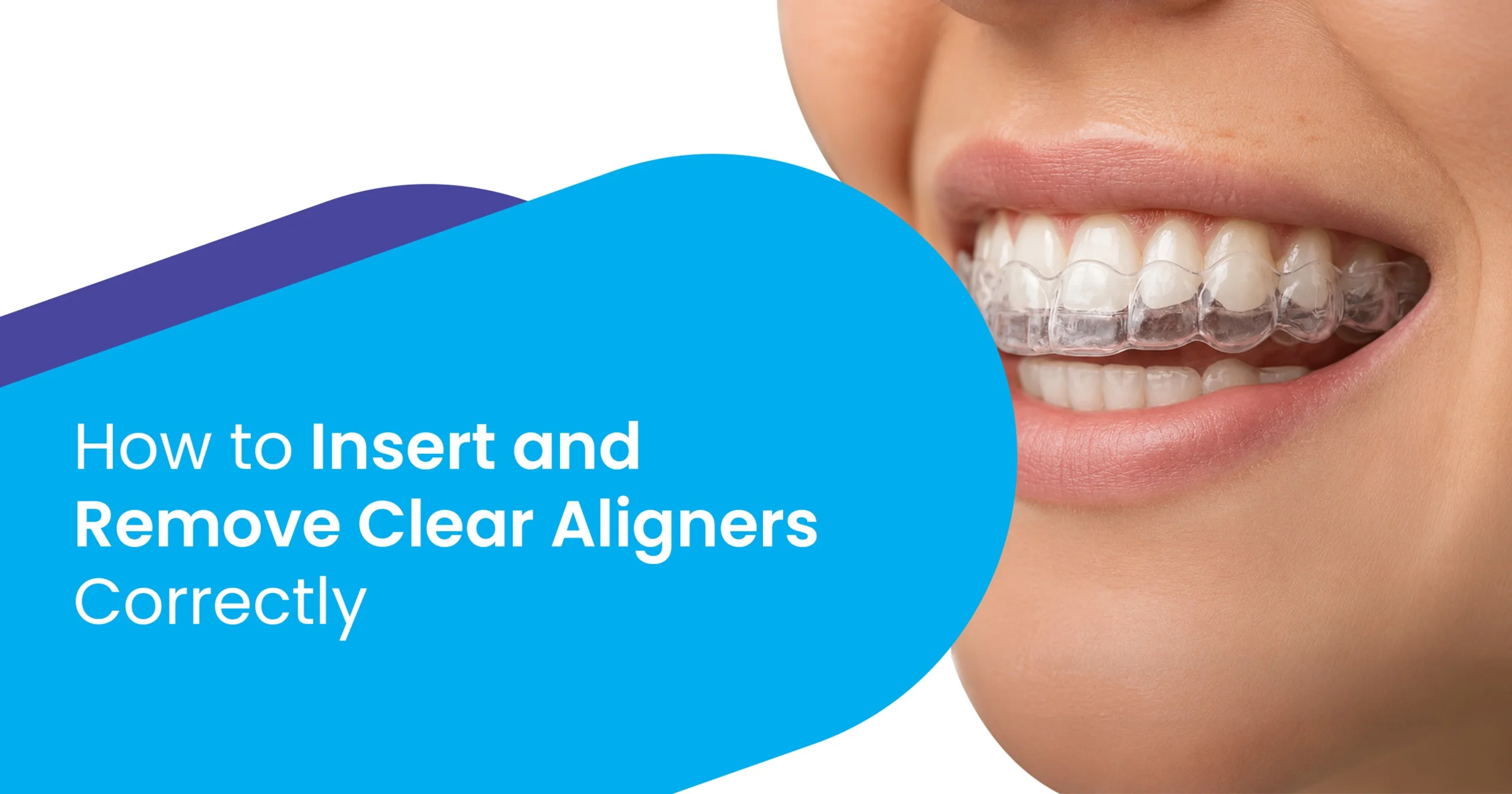
Wearing clear aligners correctly is an important part of achieving a healthy, confident smile. Whether you’re just beginning your Teeth Aligners Treatment or switching to a new set of trays, learning how to Insert and Remove Clear Aligners correctly helps improve comfort, protect your aligners, and support effective tooth movement.
At White Stone Aligners, we believe simple daily habits make a big difference. This guide explains the correct techniques for handling your aligners, helping you keep your treatment on track while enjoying a smooth, comfortable, and successful smile transformation.
What are clear aligners, and why is it important to use them correctly?
Clear aligners work by gently applying controlled pressure to move your teeth step by step. When you insert and remove them correctly, you avoid cracks, warping, or incomplete fit that can slow down progress.
White Stone Aligners design each tray to match your teeth precisely, so a secure fit is important for predictable results. Good daily habits also reduce gum irritation and help you enjoy a smoother, more confident smile journey.
How to Insert and Remove Clear Aligners: Basic rules
Insert and Remove Clear Aligners the same way every day to build a simple routine. Consistency matters more than force, so always stay gentle and patient when handling your trays.
Keep these points in mind:
- Wash your hands with soap and water before touching your aligners.
- Always check you are inserting the correct upper and lower tray marked by your doctor.
- Do not bite hard on misfitting trays to “force” them into place.
- Remove aligners only when eating, drinking anything except water, and brushing.
Using a steady method helps you avoid common challenges with clear aligners like pain spots and loose edges.
How should I insert clear aligners correctly?

Step‑by‑step guide to insert clear aligners
Learning how to insert clear aligners properly makes the first few days much easier. Follow this simple routine each time you put a new or cleaned tray back in.
- Rinse the aligners with clean, cool water to wash off dust or residue.
- Start with the upper tray, holding it with dry fingers for better grip.
- Place the aligner over your front teeth first, then gently press along the edges toward the back molars. Do not twist while pressing.
- Repeat the same steps for the lower tray, checking that both aligners are fully seated.
- Use chewies or soft bite sticks if your doctor suggests them to help seat new trays evenly.
Signs your aligners are inserted correctly
Once you Insert and Remove Clear Aligners a few times, these signs become easy to notice. You should feel firm, even contact but not sharp pain or rocking movement.
Look for:
- No visible gaps between the aligner edge and your teeth.
- The tray does not move when you talk or swallow.
- Pressure feels tight but bearable, especially in the first days of a new set.
If clear aligners feel too tight or painful after a few days, contact your dentist rather than forcing wear. White Stone Aligners doctors in Kerala can check whether your plan or tray fit needs adjustment.
How to remove clear aligners safely

Correct way to take out clear aligners
Knowing how to remove clear aligners is just as important as inserting them. Removing them in the wrong way can crack the plastic or distort the shape, especially around thin edges.
Follow these steps:
- Wash and dry your hands for better grip.
- Start from one side at the back molars and gently lift the aligner off the teeth.
- Move along the back edge on both sides before lifting around the front teeth.
- Remove the lower tray the same way, starting at the back.
- Place your aligners in their case immediately to avoid loss or contamination.
If you struggle with how to take out clear aligners, ask your dentist about an aligner removal tool. It helps you detach the tray without using nails or sharp objects that can damage the material.
What if your clear aligners feel too tight?
Many people feel extra pressure when they start a new set of trays. That tightness usually reduces in a day or two as teeth begin to move.
However, if Clear Aligners Feel Too Tight and removal becomes extremely difficult, do not panic or skip wear.
- Continue wearing them as prescribed unless your dentist advises a pause.
- Use mild pain relief suggested by your doctor if needed.
- Rinse with lukewarm (not hot) water to relax muscles around the teeth.
If you still face Common Challenges With Clear Aligners like cuts, mouth ulcers, or trays that won’t sit fully, schedule a check‑up. White Stone Aligners clinicians can adjust the edges or revise your plan if necessary.
Daily habits while wearing clear aligners
How long should you wear clear aligners?
For most clear aligners treatment plans, you need to wear trays 20–22 hours every day. Removing them for long periods lets teeth shift back, which may delay results or require extra trays.
Avoid the “Don’t Wear Aligners enough” mistake:
- Take them out only for eating, drinking coloured or hot beverages, and brushing.
- Put them back in as soon as you finish meals or cleaning.
- Track your wear time using an app or simple notes if you forget easily.
With best clear aligner treatment like White Stone Aligners, doctor monitoring and good discipline work together for faster progress.
Cleaning and storing your aligners
Correct Insert and Remove Clear Aligners habits should always include cleaning. Dirty trays can stain, smell, or irritate gums.
Basic care tips:
- Rinse aligners every time you remove them.
- Brush them gently with a soft toothbrush and clear, mild soap if advised; avoid harsh toothpaste that can scratch.
- Store them in the provided case, not in tissues or pockets.
- Keep trays away from heat sources and hot water to prevent warping.
For more detailed care routines, check the White Stone Aligners guide on clear aligners vs traditional braces. You can also learn step‑by‑step smile planning in their How It Works section.
When to call your dentist or White Stone Aligners
Most issues with Insert and Remove Clear Aligners are easy to fix with better technique. Still, some situations need professional help to protect your teeth and gums.
Contact your doctor or White Stone Aligners if:
- An aligner cracks or loses shape.
- You notice constant bleeding, ulcers, or severe pain.
- The tray repeatedly pops out or never seats fully.
- You lost a tray and are unsure whether to move to the next one.
Experienced orthodontists at White Stone Aligners in Kerala use AI‑driven planning and 3D technology to keep your clear aligner treatment predictable and safe. This makes it easier to maintain affordable clear aligners treatment while achieving a confident smile.
Your Journey to a Confident Smile Starts Here
Learning to insert and remove your clear aligners correctly helps protect your trays, improve comfort, and keep your smile journey on track. With the right daily routine and guidance from White Stone Aligners, you can achieve better results while making every stage of treatment easier and more effective.
If you’re looking for Invisible Braces Treatment in Kerala, White Stone Aligners offers personalized solutions designed for comfort, precision, and lasting smile transformation with expert care at every step.
Ready to transform your smile? Contact White Stone Aligners today for personalized, affordable clear aligners treatment across India.
📞 +91 9797974769
📧 info@whitestonealigners.com
FAQs
Q1. How often should I change my aligners?
Usually every 1–2 weeks, as guided by your dentist.
Q2. Can I eat while wearing clear aligners?
No, always remove them before eating meals or snacks.
Q3. Is it normal if aligners feel tight at first?
Yes, mild tightness is normal during the first few days.
Q4. What if I forget to wear my aligners?
Resume wear quickly and inform your dentist if it happens often.
Q5. Do White Stone Aligners provide support during treatment?
Yes, they monitor your progress and offer ongoing guidance.