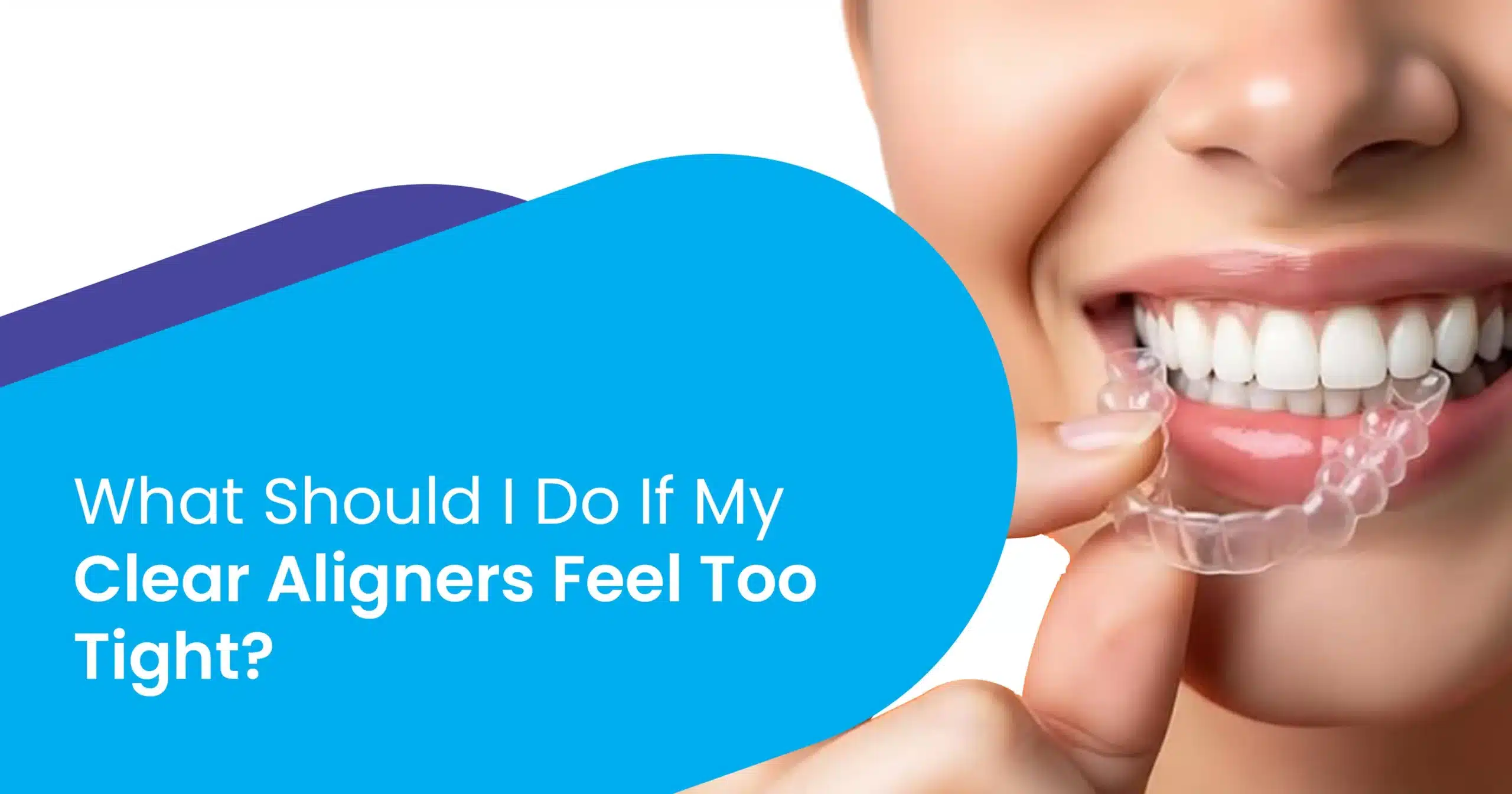
Many patients become concerned when their clear aligners feel too tight after switching to a new set. In most cases, a snug fit is a normal part of the treatment process and indicates that your teeth are moving according to your personalized plan. At White Stone Aligners, we provide customized clear aligner solutions and expert treatment planning to help patients achieve healthier, more confident smiles.
Clear aligners gradually move teeth into better positions using controlled pressure. Understanding why aligners feel too tight can help you stay confident throughout your treatment journey.
Understanding Proper clear Aligner Fit

Understanding proper clear aligner fit is essential for successful teeth straightening. Aligners should fit snugly over your teeth without significant gaps while applying gentle pressure. A well-fitting aligner ensures predictable tooth movement, improves treatment effectiveness, and helps achieve a comfortable and confident smile throughout the process
Why Do Clear Aligners Feel Too Tight?
When you begin wearing a new aligner tray, you may notice increased pressure on your teeth. This happens because each aligner is designed to move your teeth slightly closer to their planned position.
Common reasons include:
- Moving to a new aligner set
- Wearing aligners inconsistently
- Teeth responding to treatment movements
- Minor differences between trays
- Returning to aligners after extended removal
A feeling of pressure is normal. However, severe pain or aligners that do not fit properly may require professional evaluation.
Are Tight Clear Aligners Normal?
Yes, it is normal for clear aligners to feel tighter when you switch to a new set, particularly during the first few days of wear.
You may experience:
- Mild pressure on teeth
- Slight soreness while chewing
- Temporary discomfort
- Increased tightness during the first 48 hours
Most patients notice that the sensation decreases as their teeth adapt to the new aligner.
Dental experts recognize mild discomfort as a normal part of the tooth movement process during orthodontic treatment.
Signs Your Aligners Are Working Properly
Healthy aligner pressure often includes:
- A snug but comfortable fit
- Gradual reduction in tightness
- No significant gum irritation
- Aligners fully seating on teeth
These signs indicate that your treatment is progressing correctly.
What Should I Do If Clear Aligners Feel Too Tight?
If your Clear Aligners Feel Too Tight, follow these practical steps before becoming concerned.
1. Wear Them Consistently
To achieve optimal treatment results, wear your aligners for 20 to 22 hours each day.
Removing them too often can cause teeth to shift slightly, making the next tray feel too tighter than expected.
2. Use Aligner Chewies
Aligner chewies help seat the trays completely over your teeth.
Benefits include:
- Better tray fit
- Improved aligner tracking
- Reduced pressure points
- More predictable tooth movement
3. Switch Trays at Night
Many orthodontists recommend starting a new tray before bedtime.
This allows your teeth to begin adjusting while you sleep and may reduce noticeable discomfort during the day.
4. Stay Hydrated
Dry mouth can increase sensitivity and irritation.
Stay well hydrated by drinking water regularly throughout the day while wearing your aligners.
5. Follow Your Treatment Schedule
Avoid changing trays too early or too late unless advised by your orthodontist.
A consistent schedule supports smoother tooth movement and greater comfort.
Why Do My New Aligners Feel Tight?
Many patients ask, Why Do My New clear Aligners Feel too Tight Compared to Previous Trays.
Each new aligner is designed to continue moving your teeth according to your treatment plan. Even small movements create temporary pressure.
Factors affecting tightness include:
- Complexity of tooth movement
- Crowded teeth
- Existing teeth gaps
- Duration of aligner wear
- Individual biological response
The sensation often improves within a few days.
For additional insights into aligner treatment, you can explore White Stone Aligners’ article on how clear aligners move teeth and support gradual smile transformation.
Common Challenges With Clear Aligners
Although clear aligners are comfortable and convenient, patients may occasionally experience minor challenges.
Some examples include:
- Temporary tightness
- Speech adjustments
- Dry mouth
- Tray maintenance
- Forgetting wear time
Recognizing these common challenges can help patients stay motivated and follow their treatment plan successfully.
Among the Common Challenges With Clear Aligners, temporary pressure remains one of the most frequently reported concerns. Fortunately, it usually resolves without intervention.
Teeth Gaps With Clear Aligners
Patients treating Teeth Gaps with Clear Aligners may notice varying levels of pressure during different treatment stages.
As spaces close, teeth must move gradually into new positions. This movement can create temporary tightness in certain aligner sets.
Regular monitoring ensures that tooth movement remains safe and predictable.
When Should You Contact Your Orthodontist?
While mild discomfort is normal, some situations require professional guidance.
Contact your provider if:
- Pain becomes severe
- Aligners do not fit properly
- Trays crack or break
- Significant gum irritation develops
- Tightness continues beyond several days
Early communication helps prevent treatment delays and ensures optimal results.
Warning Signs to Watch For
Seek professional advice if you experience:
- Sharp pain
- Persistent bleeding
- Swelling
- Difficulty inserting aligners
- Sudden changes in fit
These symptoms are uncommon and should be evaluated promptly.
How White Stone Aligners Supports Comfortable Treatment
At White Stone Aligners, patient comfort is a priority throughout every stage of treatment.
Our approach includes:
- Advanced digital treatment planning
- Customized aligner design
- Continuous case monitoring
- Professional orthodontic guidance
- Personalized support throughout your clear aligner treatment.
Whether you are starting treatment or progressing through new trays, our team helps ensure a smooth experience.
If you are considering the best clear aligner treatment, proper planning and expert supervision play a major role in achieving predictable results.
You may also find helpful information in our guides about clear aligner care, treatment planning, and smile correction available on the White Stone Aligners blog.
Managing Tight Aligners for a Comfortable Smile Journey
When Clear Aligners Feel Too Tight, mild pressure is usually a sign that your treatment is progressing as intended. Consistent wear, proper tray seating, and following your -treatment schedule can help reduce temporary discomfort.
White Stone Aligners is committed to providing personalized and affordable clear aligners treatment. With expert guidance and advanced technology, patients can enjoy a comfortable path toward a healthier, more confident smile.
Book a consultation and get expert aligner guidance.
📞 +91 9797974769
📧 info@whitestonealigners.com
FAQs
Q1. Is it normal if clear aligners feel too tight?
Yes. Mild pressure is common and usually indicates active tooth movement.
Q2. How long does aligner tightness last?
Most patients notice improvement within two to three days.
Q3. Should I remove tight aligners?
No. Continue wearing them unless advised by your orthodontist.
Q4. Why do new aligners feel tighter?
New trays apply controlled pressure to continue planned tooth movement.
Q5. Can teeth gaps cause aligner tightness?
Yes. Gap closure movements can create temporary pressure.