Finished braces but noticed your teeth starting to shift? You are not alone. Teeth can move after orthodontic treatment, especially when retainers are not worn as advised. If you are considering clear aligners after braces, understanding why teeth shift and when retreatment may be needed can help you make an informed decision.
At White Stone Aligners, we support patients across India with doctor-supervised clear aligner treatment. This guide explains when aligners may help correct post-braces changes and what you should know before starting retreatment.
Are Clear Aligners After Braces a Second Chance for Your Smile?

Yes, for many people they are. Braces move teeth into place. But bone and gum tissue need time to settle. Without proper retention, teeth can slide back.
A second round of treatment can fix that. Aligners are discreet, removable, and planned digitally. That is why clinics prefer clear aligners for mild to moderate relapse.
You may need retreatment if you notice:
- Gaps reopening between your front teeth
- Crowding returning in the lower front teeth
- Teeth overlapping again
- A bite that feels different
- A retainer that no longer fits
Spot these signs early. Small shifts are easier and faster to fix than large ones.
Why Teeth Shift After Braces
Teeth are not locked into bone. Ligaments hold them, and those fibres remember old positions. The reasons why teeth shift after braces are usually simple:
- Skipped or lost retainers
- Natural ageing and jaw changes
- Habits like nail biting or tongue thrusting
- Gum changes over time
Most causes are preventable. Consistent retainer wear is the strongest protection.
Why Consider Retreatment With Clear Aligners After Braces?
Retreatment puts you back in control. You can correct relapse without wearing metal again.
Key benefits include:
- Discreet: Clear trays suit work and social life.
- Removable: You eat and brush as usual.
- Predictable: A 3D scan maps every stage.
- Comfortable: Smooth plastic avoids wire irritation.
No matter which type of dental braces you previously wore metal, ceramic, or lingual teeth can shift after treatment. For patients experiencing mild to moderate relapse, clear aligners after braces may be an option for correcting these changes without returning to traditional braces. If you’re comparing clear aligners vs traditional braces, aligners offer a discreet and removable approach that may be suitable for certain retreatment cases.
However, not everyone needs clear aligners after braces. If your teeth remain stable and your retainer fits properly, continued retainer use may be all that is needed to maintain your results. An orthodontist can assess your teeth, bite, and treatment history through an examination and digital scan to determine whether a retainer or further orthodontic treatment is appropriate.
Maintaining and Gently Correcting Alignment
Retention is the foundation of every result. Wear your retainer exactly as advised. Most patients wear it full-time at first, then nightly for the long term.
Teeth straightening without braces is realistic for mild relapse. Aligners apply light, steady force. Mild cases often need fewer trays than first-time treatment.
Aligners after braces work best when your dentist reviews progress at each stage. The best clear aligner treatment starts with a proper diagnosis, not a quick fix.
Protect your results with these steps:
- Wear your retainer as directed.
- Clean it daily with a soft brush and cool water.
- Replace cracked or loose retainers quickly.
- Avoid chewing pens, ice, or nails.
- Attend regular check-ups.
Can retainers straighten teeth without braces?
Only slightly. Retainers are passive. They hold teeth in place. They do not carry the force needed to move teeth far.
A retainer may nudge a tooth that moved a hair. But forcing an old retainer over shifted teeth can cause pain and strain the teeth and gums.
Here is the difference:
- Retainer: Holds your current position.
- Aligner: Moves teeth in planned stages.
If you want to fix crooked teeth without metal braces, aligners give a safer, controlled route. Avoid unsupervised do-it-yourself fixes. Always involve a qualified dentist or orthodontist.
How Quickly Can Teeth Shift After Braces?
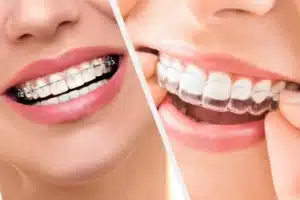
Teeth can begin moving when they are no longer supported by consistent retainer wear. The amount and speed of shifting can vary from person to person. Minor changes may appear relatively early, while more noticeable crowding, gaps, or bite changes can develop over months or years.
If your retainer suddenly feels tight, no longer fits, or your teeth look different from when your braces were removed, it may be a sign that your teeth have shifted. Early assessment can help determine whether you need a new retainer or further orthodontic treatment with clear aligners.
What to Do If Your Teeth Start Shifting
- Check whether your retainer still fits comfortably.
- Do not force a retainer that causes significant pain or does not fit properly.
- Schedule an assessment with your dentist or orthodontist.
- Ask whether a new retainer or clear aligner retreatment is appropriate.
- Continue regular dental and orthodontic check-ups.
Restore Your Smile With Advanced Treatment
Teeth can shift even after successful orthodontic treatment, but early attention can help address these changes. If your retainer feels tight, no longer fits, or you notice changes in your bite or alignment, consult a qualified dentist or orthodontist for an evaluation.
At White Stone Aligners, we provide Advanced Clear Aligners Treatment in Kerala with doctor-supervised care and personalized treatment planning. Whether you need minor correction or retreatment after braces, a professional assessment can help determine the right approach for your smile.
Book a consultation and protect your smile.
📞 +91 9797974769
📧 info@whitestonealigners.com
FAQs
Q1. Can I get aligners if my braces came off years ago?
A. Yes. A scan shows how far your teeth moved and which plan fits.
Q2. How long does retreatment with aligners take?
A. Mild relapse often takes a few months. Your orthodontist confirms the timeline after scanning.
Q3. Do I still need a retainer after aligner treatment?
A. Yes. Retainers hold your new position and prevent teeth from shifting again.
Q4. Do White Stone Aligners treat patients across India?
A. Yes. Based in Kottayam, Kerala, White Stone Aligners supports patients across India with doctor-supervised plans.
Q4. Does White Stone Aligners offer free refinements?
A. Yes. If treatment isn’t complete in the prescribed period, additional aligners come at no cost.